
Scorecards helpen clubs bij het werven en behouden van leden

Scorecards helpen clubs bij het werven en behouden van leden

Maak gebruik van onze bronnen om het succes succes en de interesses van leden bij te houden.

Door Tony Knoderer 

Hoe meer leden een Kiwanis-club heeft, hoe meer kinderen ze kan helpen. Daarom zijn het werven van nieuwe leden en het behouden van bestaande leden twee van de belangrijkste factoren voor het succes van een club. Maar voor werving en behoud is meer nodig dan één enkel evenement of één enkele activiteit. Bij de sterkste clubs is het een vast onderdeel van de clubcultuur. 

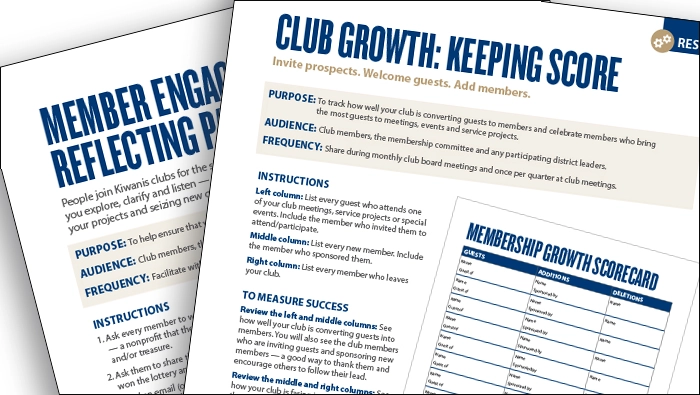
Kiwanis International biedt twee ‘scorekaarten’ aan die zijn ontworpen om Kiwanis-clubs te helpen bij het bijhouden van twee cruciale gegevens: het succes bij het werven van nieuwe leden en de tevredenheid van de leden. 

De scorekaart voor clubgroei biedt een eenvoudige en handige manier om bij te houden in hoeverre uw club erin slaagt gasten om te zetten in leden. Daarnaast kan de club hiermee bijhouden welke leden gasten hebben uitgenodigd en nieuwe leden hebben aangemeld — zodat iedereen de personen kan eren die met hun inzet hebben bijgedragen aan de groei van de ledenbestand . Op de dubbelzijdige kaart staan ook instructies voor het gebruik van de scorekaart, het meten van succes en meer. 

Op dezelfde manier is de scorekaart voor ledenbetrokkenheid een gebruiksvriendelijk overzicht waarmee clubs het volgende kunnen bijhouden:  

  • Lokale liefdadigheidsinstellingen 
  • Organisaties die leden ondersteunen  
  • Huidige serviceprojecten 
  • Ideeën voor projecten om meer leden te betrekken 

Al met al is dit een manier om ervoor te zorgen dat serviceprojecten een afspiegeling vormt van de passies van de leden van je club. Er is zelfs een rubriek voor projecten met „onbeperkte middelen“ — om de discussie over de droominitiatieven van de leden te stimuleren.  

Op de achterkant van de pagina staan instructies voor het invullen van de scorekaart en het gebruik van die informatie.

We raden je aan om beide scorekaarten te downloaden, af te drukken en ermee aan de slag te gaan! 
Laat potentiële sponsors weten wie er komt

Laat potentiële sponsors weten wie er komt

Demographic information can persuade local businesses to support your club event. 

Door Tony Knoderer

When your club is planning a fundraising or service event, a search for local sponsors should be part of the process. After all, sponsorship support can help pay costs, draw community attention and generate further connections.

Of course, it’s important to show potential sponsors why they should get involved. But it’s often more than just a matter of telling them how many people will be there.

It’s important to know who will be there.

Thinking about demographics will give your club a good start. Here are a few examples of event attendees who might get the attention of potential sponsors: 

  • “Green” consumers. If your event has an environmental (or general outdoors) theme, it will attract folks coveted by garden centers and landscapers. 
  • Foodies. Planning a meal-intensive fundraiser? Grocery chains, caterers, bakeries and restaurants should top your list of sponsorship candidates. 
  • Sports enthusiasts. For a sports-themed event, sporting goods stores and local teams (professional or semiprofessional) have an obvious interest in reaching attendees. A less obvious (but potentially fruitful) option is your local sports medicine center. 
  • Pet lovers. Cat and dog owners spend a lot of money on their four-legged friends — and plenty of businesses know it. If your event (or a portion of it) caters to this crowd, pet stores, veterinarians, groomers and kennels want to hear from you. 

Want more information like the tips above? Our sponsorship toolkit has it. You’ll find all the guidance you need for the process, from identifying potential sponsors to pricing and selling opportunities — and delivering what you promise. 

5 stappen om Patenschaften

5 stappen om Patenschaften

See how to start seeking out the partners who will enhance your club’s fundraising event.

Door Tony Knoderer 

For Kiwanis clubs around the world, the best fundraising events have sponsors — the local partners who will boost club resources, raise your community profile and create access to a pool of potential members.  

But sponsors don’t just come knocking on your door. You have to find them. Your club can make that work easier by taking these five steps to organize the sponsorship search:  

  1. Create a demographic report on your club. Include average age, education level, professional background and anything else that a prospective sponsor might find useful.  
  2. Identify the best club members for the hunt. Who can bring special skills or enthusiasm — or both — to the search for sponsorship?  
  3. Put together a report on your event. Gather as much information as possible about attendance, demographics of attendees and media exposure.  
  4. Identify potential competition for sponsorships. For instance, if someone in your area holds a similar event on the same weekend — or even the same month — you might want to switch dates.  
  5. Put someone in charge of promotions. Do you have a communications committee chair — or at least a member who heads up promotional efforts for events? If not, put someone in charge of your club’s website, newsletter and advertising.  

Of course, this is just the beginning. Fortunately, Kiwanis International provides a comprehensive resource to guide you to the sponsorships you need. With our sponsorship toolkit, you’ll learn how to: 

  • Inventariseer de verkoopbare activa van je club.
  • Prijs het aanbod van je evenement.
  • Zoek steun bij bedrijven.
  • Ontwikkel langetermijnrelaties met sponsors.
  • Bespaar tijd door sjablonen te gebruiken voor materialen voor voorstellen.

Download onze sponsorschap Toolkit om uw club vandaag nog op weg te helpen!