
Grants help transform kids’ education

Grants help transform kids’ education

Four clubs on four continents will help kids learn and grow in new ways. 

エリン・チャンドラー著

In August, the Kiwanis Children’s Fund awarded 22 club grants to support outstanding Kiwanis club projects on four continents. The following four projects — one from each region — show how Kiwanians can transform kids’ education. By making reading a fun event, organizing a trip that expands horizons, introducing kids to art and creativity, and providing a space for specialized learning, these projects turn students into lifelong learners. 
Dr. Seuss Reading Day
The Kiwanis Club of Carrollton, Georgia, U.S.
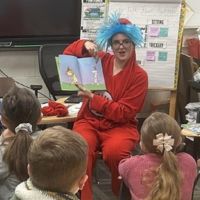
Each year in March, around 50 volunteers from the Kiwanis Club of Carrollton and the community visit local schools to throw a birthday party for Dr. Seuss, author of classic children’s books such as “The Cat in the Hat” and “Green Eggs and Ham.” The volunteers choose a Dr. Seuss book to read to or alongside the students, then talk with them about the importance of reading, both in school and at home with family members. With help from a Kiwanis Children’s Fund club grant, every student will then take home a copy of the book. This festive spin on story time gets kids excited about reading. 
Belgium Week for Children and Young People with Disabilities
Kiwanis Club of Innsbruck, Austria
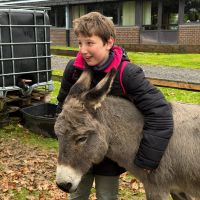
Each year, local Kiwanis clubs take children from two special-needs schools in the Lienz district of Austria on a trip to Belgium. There is a lack of enrichment opportunities for children with disabilities in the area, and families and schools struggle to fund them on their own. A Kiwanis Children’s Fund grant helped fund this year’s trip for 18 students, who spent a week cycling, swimming, hiking, doing gymnastics and pottery, completing a high ropes course and participating in group games. The trip gives students an opportunity to develop their athletic and creative skills, but it also builds their confidence and communication skills — which help them cope with challenges, feel a sense of belonging and form friendships through shared activities.  

Art That Transforms
Kiwanis Club of Katías, Colombia
The Kiwanis Club of Katías has a history of visiting remote schools to deliver programs on nutrition, recreation, leadership and values. Now they are working with Andes Pinta, an organization that has developed art initiatives in urban areas, to bring art education to 10 rural schools without easy access to artistic and cultural programs. Art That Transforms, which has the support of the Department of Education and local teachers, will bring Kiwanis volunteers to teach a variety of painting and drawing techniques in three-month cycles and follow-up sessions over the course of two years. The club hopes that hundreds of students will develop new artistic skills — and with them, their self-expression and creativity. The program will culminate in an art exhibition in an urban center of the Andes, where communities, families and the students themselves will see their creations displayed. A Kiwanis Children’s Fund grant will help pay for art and educational supplies, transportation and costs associated with mounting the exhibition. 
Sensory Room Phase 2: Advanced Multisensory Integration
Kiwanis Club of Kuala Lumpur, Malaysia
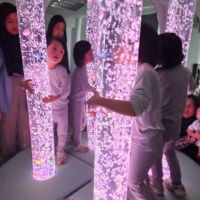
The Kiwanis Club of Kuala Lumpur is stepping up to help expand services offered by the Kiwanis Down Syndrome Foundation National Centre. Over 40% of the children who receive educational and physical therapy services at the Centre also face sensory processing challenges. The Centre’s new sensory room was built to address these needs — but it still needed specialized therapeutic tools recommended by a team of caregivers and experts who work closely with the children at the Centre. A Kiwanis Children’s Fund club grant will help purchase items that help children with visual tracking, tactile defensiveness and emotional self-regulation. With a hammock swing, sensory liquid-gel number tiles, a padded sequin wall panel, crash pad, infinity mirror, infinity tunnel and projector, 100 students will be better prepared for future school integration. 

More club grant projects
Other projects that received club grants in August include:    

  • Library renovations from the Kiwanis Clubs of Domodossola, Italy, and North Manchester, Indiana, U.S. 
  • A socio-emotional education program from the Kiwanis Club of Bucaramanga, Colombia 
  • A story time and book giveaway from the Kiwanis Club of La Palma, California, U.S. 
  • A school supply drive from the Kiwanis Club of Scottsdale, Arizona, U.S. 
  • A community garden from the Kiwanis Club of Rogers City, Michigan, U.S. 
  • The “Feed. Fuel. Teach.” nutrition initiative from the Kiwanis Club of Topsail Island Area, North Carolina, U.S. 
  • A middle school track and field event from the Kiwanis Club de Amigos, Tucson, Arizona, U.S. 
  • Meal packing events from the Kiwanis clubs of the Azaela City, Palatka, Florida, U.S., and Presque Isle, Maine, U.S. 
  • A winter clothing giveaway for local students from the Kiwanis Club of Joplin, Missouri, U.S. 
  • A food delivery and health education program from the Kiwanis Club of Acacías-Meta, Colombia 
  • Personal care and hygiene kits for students from the Kiwanis Club of Dexter-Sunrise, Maine, U.S. 
  • New or revitalized parks and playgrounds from the Kiwanis Club of Lakeshore, Sault St. Marie, Ontario, Canada; and in the U.S. from the Kiwanis Clubs of Pawleys Island, South Carolina; Redmond, Oregon; Garden City, Michigan; and Henderson Center, Eureka, California.  

How you can help
The Kiwanis Children’s Fund makes grants that improve the lives of children around the world by identifying projects that create a continuum of impact in a child’s life — one that spans their entire childhood and sets them up for a bright future. With gifts to The Kiwanis Possibility Project, the Children’s Fund ensures that its grantmaking has the greatest possible impact, supporting projects that target the Kiwanis causes — health and nutrition, education and literacy, and youth leadership development — whether through a Kiwanis club’s local service project or a club’s partner. 

Learn how your club can apply for a grant to help kids in your community. If you are interested in extending your and your club’s impact beyond your community, support The Kiwanis Possibility Project.   

8 ways to help kids love reading

8 ways to help kids love reading

With local partners and a few ideas, your club can support literacy.

By Destiny Cherry 

Education and literacy represent one of Kiwanis International’s three causes. Looking for ways your club can support kids’ love for reading? Here are eight ideas to do it through service, fundraising and community partnership: 

  1. Read to children at a local library, children’s hospital or school. In addition to serving kids, it’s a way to build connections with organizations in your community. Host story time at your local library, read to kids in after-school programs and during designated class times, or read to young patients in a children’s hospital. If you have multilingual club members, diversify your reading languages for kids who are multilingual or learning a new language.  
  2. Tutor at schools in your area. When you partner with schools, your club gains access to students across age groups and academic levels. While high school tutors usually require subject-specific knowledge or more advanced educational experience, elementary and lower middle-grade levels are more flexible and do not typically require college degrees. Depending on the school and the instructor’s comfort levels, tutoring can take place in a variety of settings — whether it’s during class time, after school or even as summer-school service.  
  3. Hold a book drive. Your club can host the event at a community-centered location, offering snacks and drinks during your hours of operation — and even provide Kiwanis-branded items to keep your club in people’s minds. Promote the donation of books that reflect a range of races, ethnicities, religions and languages. Distribute the books to multiple locations — or partner with a single location for the event and donate the books there at the end of the drive.  
  4. Start and fill a Little Free Library. A Kiwanis International partner, Little Free Library expands access to books through free, accessible exchange. In your community, it’s a visible testament to the club’s commitment to education and literacy.  
  5. Conduct a reading challenge on social media. Whether it’s on your club’s social media accounts or on a town/community account, a challenge could take a variety of forms. One idea: The first family to read 50 books and submit the reviews of each book as evidence are the winners. Another idea: Provide a bingo card of reading-related tasks — such as reading in a park or checking out a library book — that a family would fill out and then submit with a photo of each activity. Add book-related prizes or bookstore gift cards as incentives. 
  6. Create reading kits for kids. Here’s a way to get all club membes involved in a service project. Reading kits require only a few supplies — colored paper, markers, pencils, glue sticks and scissors — with different members contributing different supplies. One idea: A member creates a background, leaving space for a child to fill in characters and continue the story. After creating the kits, take them to a children’s hospital or to a library for story time — and complete the stories alongside the kids. Include handmade  bookmarks to add some flair. 
  7. Fundraising for e-readers. With a built-in dictionary, translators, audiobook capabilities and easy access to books, e-readers have been an increasingly useful way to help children who struggle with reading. But they’re not always available in large quantities to libraries, schools, hospitals and childcare centers. Raising money for one (or all) of these organizations can allow kids who are falling behind to bridge the gap with their peers. Don’t forget our five fundraising fundamentals!  
  8. Sponsor a “literacy corner.” Approach local businesses about putting a club-sponsored “literacy corner” in their locations. It can be as simple as a bookshelf, basket or small table with children’s books and learning games in the corner of a coffee shop, diner, barber shop/salon, laundromat or local retail store. Your club can take responsibility for accumulating the items while the business oversees the maintenance and cleanliness of the corner. Hold a fundraiser for the corner or conduct a drive for books and games. The business could also encourage customers to bring in lightly used books or games.  

More tips and ideas
There’s no better source of inspiration than real success. Check out some past success stories from the Kiwanis family. And get more tips for promoting literacy. 

あるクラブの読書プログラムが法人会員を惹きつけている 

あるクラブの読書プログラムが法人会員を惹きつけている 

詳細はこちら どのようにしてキワニスクラブ 米国ルイジアナ州で、 どのようにして地域の企業や団体を 地域企業や団体をどのように勧誘しているか。

ジュリー・セートレ著 

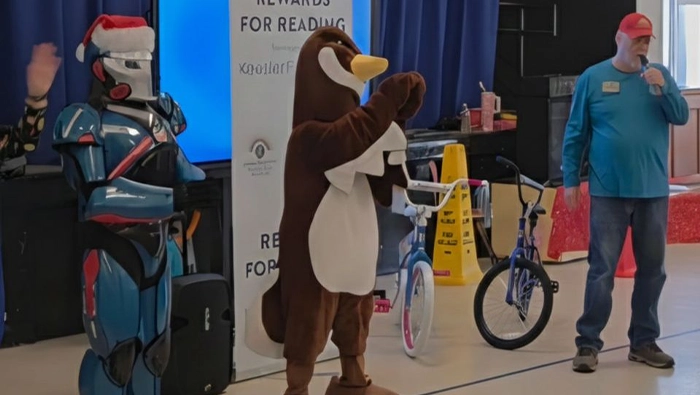
2007年、メル・ダッセルは地元のキワニスクラブ の会員になってまだ数ヶ月しか経っていなかった頃、クラブ会長から地元の小学校に立ち寄ってほしいと頼まれました。米国ルイジアナ州メテリーにあるキワニスクラブ の「ドーン・バスターズ」は、その直前に「Rewards for Reading(読書報酬プログラム)」という取り組みを始めており、このプログラムを通じて、子どもたちは読解力を伸ばすことで賞品やインセンティブを獲得できるようになっていました。 その12月のある日、同クラブはプログラムの参加者1名に新しい自転車を贈呈していた。これは年に2回行われる恒例行事だった。 

イベント でのクラブ代表として、デュッセルは深く感動し、クラブの その年の2台目の バイクを特別賞として提供し、次回の予定されているプレゼント企画では、自費でそのバイクを補充することを約束した。

彼はまもなく「読書奨励プログラム」の責任者となり、その規模を拡大したいと考えた。そこで、クラブの法人会員数を増やすことに尽力した。そうすれば、現物寄付や現金寄付も増えるはずだった。

ここで、デュッセルの営業力と人脈が活きた。知人の知人が、地元のレーザータグ施設の担当者に連絡を取ってみてはどうかと提案してくれたのだ。その施設は、デュッセルがクラブ「会員名簿 」に迎え入れた最初の法人会員となった。読書プログラムにおいては、参加する子供たちへのレーザータグチケットの寄付に加え、追加チケットや施設内の飲食代金の割引も提供されることになった。

参加者および結果については以下の通りです
「Rewards for Reading」の評判が広がるにつれ、企業からの協力を得るようになりました。例えば、地元のAAA級野球チームは、プログラム参加者全員に年2回、4人分の入場券を寄贈し、子供たちのために特別試合を開催し、イベント への往復バスを手配し、試合終了後には子供たちを招待してベースを回る体験をさせてくれました。

近隣のニューオーリンズでスーパーボウルが開催された後、同じく法人会員である「グレーター・ニューオーリンズ・スポーツ財団」は、18輪のセミトレーラー1台分を埋めるほどの余剰のジャケット、帽子、Tシャツ、その他のグッズを寄贈しました。同財団は、同市で開催されたその他の主要なスポーツイベントの後にも、グッズの寄贈を続けています。

法人会員制度は、クラブのプログラムや取り組み全体に波及効果をもたらしました。例えば、以前はクラブが毎年1万米ドルを投じて、支援を必要とする地域住民に食事を提供していましたが、現在ではそのプロジェクトの資金は全額賄われています。実際、クラブはその1万米ドルを、「奨学金 」の賞金として活用しており、支援する5つのキークラブそれぞれから卒業する高校3年生に授与しています。 

成功のあり方
過去19年間で、当クラブは200名以上の新規会員を獲得しました。その中には、約50件の法人会員も含まれています。「Rewards for Reading」プログラムに参加した子供たちは、総額2,000万米ドル以上の賞品を受け取り、そのうち1,500人以上が新しい自転車を手にしました。 

同クラブの現在の「メンバーシップ 」( 会員名簿 )は、まるで『Who’s Who』のリストのようだ。ルイジアナ州の中尉ガバナー 、農業局長、ルイジアナ州ケナー市の市長、教育長、市議会議員、ニューオーリンズ・アメリカン・キュリナリー・ファウンデーション、7つの銀行、3つの連邦信用組合などが名を連ねている。 

ダッセル氏によると、彼らは皆、読書プログラムを通じて「ドーン・バスターズ」のメンバーになっているという――ただし、単なる寄付者としてだけではない。

「こうした企業関係者の皆さんは、単なる会員やスポンサー、寄付者というだけではありません」と彼は付け加える。「彼らは実際に参加しているのです。」 

クラブがそれを実現する方法
「法人会員やスポンサーの獲得は、大規模なクラブに限ったことではない」とデュッセル氏は述べる。クラブのプロジェクトやプログラムこそが最も重要なのだ。

「『まあ、君たちは大きなクラブだからね』なんて言われるんだ」と彼は付け加えた。「僕たちは最初から大きなクラブだったわけじゃない。たとえ人口50人の町だったとしても、僕には関係ないんだ。」

「私は生まれてこのかたずっと販売の仕事をしてきました。でも、売るべき商品がいなければ、売ることはできません。……この読書プログラムがなければ、[法人会員数の]3分の2は獲得できなかったでしょう。」 

自クラブのメンバーシップ ( )活動を本格的にスタートさせたいと考えているクラブに向けて、デュッセル氏は次のようなアドバイスを提供しています: 

  • 見込み客を特定する。 あなたと新規加盟団体は、どのようにして互いに利益を得られるでしょうか?「キワニスクラブ は、いわばビジネスのようなものです」とデュッセル氏は言います。「あなたのビジネスにおいて、誰とパートナーになりたいですか?誰を支援できるでしょうか?」  
  • 準備をしておきましょう。 デュッセル氏は常に、「Dawn Busters Metairie Rewards for Reading」と自身のメールアドレスEメール が印刷された赤い名刺を持ち歩き、興味を示した人々に手渡している。「部屋に2人以上いるなら、私は(会員候補を)探している」と彼は言う。そして、クラブの活動内容や読書プログラムの詳細を説明できるよう、Eメール まで連絡するよう依頼している。  
  • 見込み客に、ミーティングで講演してもらうよう依頼しましょう。 デュッセル氏によると、ゲストスピーカーの4人に1人が、クラブ会員または法人会員になると推定されています。 
  • 法人会員の指定代表者から連絡先を入手してください。 「こうした会員を獲得することは、単にその会員を獲得するだけではありません」とデュッセル氏は言う。「その会員の周囲のネットワーク全体も獲得することになるのです。」 

特定の 特定のニーズや関心事を超えて、法人会員も他の会員と同様、クラブでの体験を楽しむ必要があると彼は付け加える。デュッセル氏は、クラブのスケジュールに祝賀会や懇親会の時間を組み込むことを提案している。最近、同クラブは地元のゲームセンターでのボウリングの夜の後、3人の新規会員を獲得した。