Alex Dawson sigue el camino que trazó su bisabuelo hace 95 años.
Por Tony Knoderer
En 1920, Charlie Dawson era miembro del club « miembro fundador », perteneciente a la Asociación de Clubes de Golf de Dakota del Norte ( Club Kiwanis ) de Fargo, Dakota del Norte, EE.UU . En 1931 asumió la presidencia del club y siguió siendo miembro hasta 1970, año de su fallecimiento.
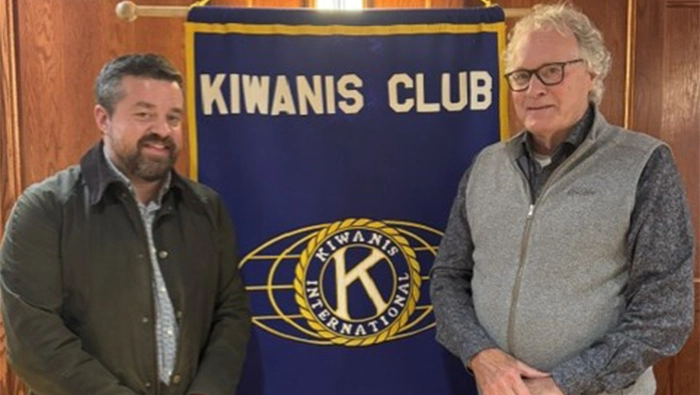
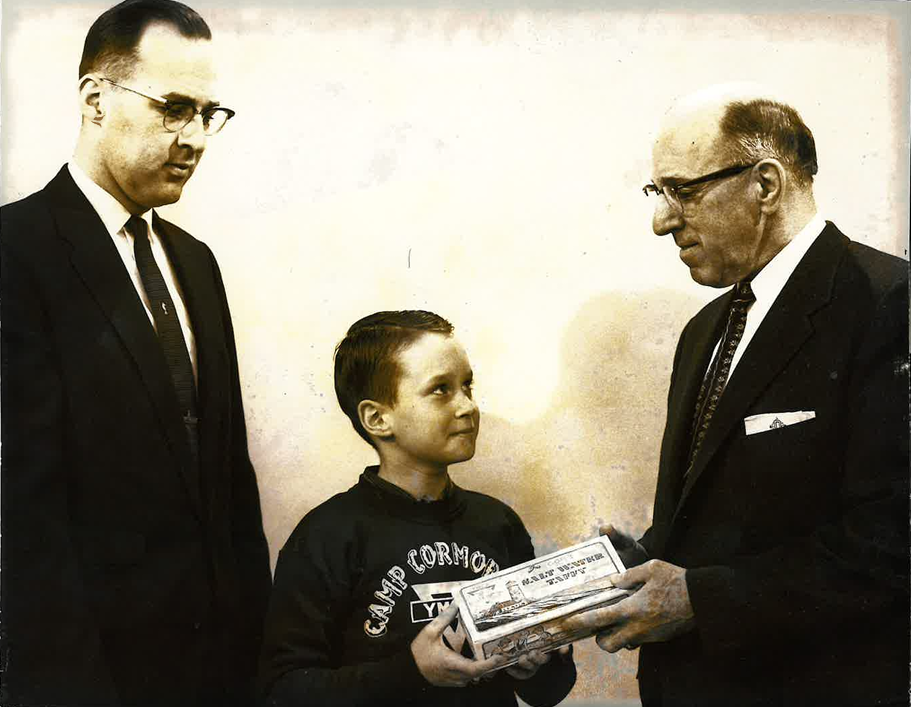
Si crees que ese es un historial impresionante de longevidad y liderazgo, piensa en esto: su bisnieto, Alex, es el presidente del club 106 años después. De hecho, es la cuarta generación de la familia Dawson en ocupar la presidencia del club, tras su bisabuelo, su abuelo y su padre, Tom. (Mira la foto de arriba, en la que aparecen Alex y Tom. Al final de esta entrada hay una foto de Tom de niño con su padre y su abuelo.)
Con una trayectoria así, se podría pensar que la presidencia de la familia Dawson es una tradición consolidada dentro del club. Sin embargo, Alex y Tom afirman que el liderazgo de cada uno surgió de forma natural a partir de su compromiso personal, y no como resultado de una planificación o de unas expectativas.
«La presidencia ni siquiera se me había pasado por la cabeza», afirma Alex. «Pero a medida que me he ido integrando más en el club, se ha convertido en algo que me ha resultado más fácil aceptar; aunque no diría que fuera algo que hubiera buscado nunca».
Un camino habitual hacia el liderazgo
Cuando Alex se incorporó al club de Fargo en 2013, Tom llevaba 27 años como socio y había sido presidente del club entre 1999 y 2000.
El camino hacia el liderazgo fue similar tanto para Tom como para Alex, y es algo habitual entre los « Kiwanienses » de toda la organización: a medida que avanza el « membresía » del club y se consolida el vínculo con Kiwanis, dar el paso hacia un puesto de liderazgo parece menos intimidante.
«Puedo decir con toda sinceridad que, cuando Alex entró en el [club comité] presidentes », afirma Tom, «no se daba por sentado que debiera estar allí ni que esa fuera la razón por la que estaba allí».
Desde luego, Alex no se creía nada. Cuando sus compañeros le propusieron ocupar puestos de liderazgo, no sabía qué esperar en cuanto a su influencia en esos puestos —ni a la influencia que estos tendrían sobre él—.
«Es que hablar en público ni siquiera era algo que me gustara», añade. «Así que, a medida que me fui familiarizando con la presidentes, la presidencia ni siquiera se me pasaba por la cabeza».
Para las cuatro generaciones de los Dawson, la trayectoria de liderazgo ha sido constante. Charlie sentó el precedente al afiliarse al club y convertirse en su presidente más de una década después. Su hijo, Bob (padre de Tom y abuelo de Alex), fue elegido presidente en 1973, tras haberse afiliado al club en 1950.
«No hay prisa por nombrar a gente para esos puestos», dice Alex. «El club siempre ha sido bastante metódico en lo que respecta al liderazgo, ya se trate del presidente del club o del presidentes de nuestra página web de tortitas evento ».
Recuerdos en familia
Por supuesto, la participación multigeneracional en membresía ha dado lugar a muchos recuerdos familiares relacionados con Kiwanis. Por ejemplo, ese « evento » de tortitas —el « Club Kiwanis » del Fargo Annual Pancake Karnival— supuso una introducción juvenil a la organización tanto para Tom como para Alex.
«Mis primeros recuerdos del club están relacionados con el Pancake Karnival», dice Tom. «Empezé a ir cuando tenía 15 años, así que ya van casi 60. Recuerdo bastante bien los lugares y toda la experiencia en torno a las tortitas».
Años más tarde, Alex vivió experiencias similares en el « evento », que por entonces se celebraba en el centro cívico local.
«Recuerdo que las colas eran muy largas y que olías a… bueno, a salchicha», dice riendo. «Y en algún momento de mi adolescencia, empecé a echar una mano en esos (eventos), ya fuera echando masa de tortitas durante un rato o simplemente haciendo recados de vez en cuando.
«Las organizaciones de servicio cívico o social eran algo con lo que ya había entrado en contacto desde muy joven».
Tradición familiar, estabilidad del club
Ahora que Alex comienza su año como presidente, el club de Fargo cuenta con una « lista presencial » de unos 80 socios y una agenda constante de proyectos y recaudadores de fondos. (El propio Pancake Karnival sigue siendo un proyecto emblemático, que incluso ha ganado el Premio de Plata del Grupo II en el Concurso de Proyectos Emblemáticos de Kiwanis International de 2026.)
Cuatro generaciones de « membresía » y liderazgo en el club constituyen un logro familiar del que se sienten orgullosos, pero los Dawson se muestran modestos respecto a su lugar en la historia. Lo importante, dice Tom, es lo que esto transmite a la gente sobre el futuro del club.
«Creo que es importante y significativo que los nuevos socios conozcan el legado del club, simplemente para que sepan que no surgimos hace 10 años, sino que llevamos 126 años en activo», añade. «Así, cuando se unen al club, no se están uniendo a un club de servicio de moda».
Más historias de familias
Familias dentro de la familia Kiwanis: ¡no es nada raro! De hecho, en una entrada anterior del blog ofrece más historias de clubes con varios miembros de una misma familia.
Tom Dawson (en el centro) junto a su padre, Bob, y su abuelo, Charlie (a la izquierda y a la derecha, respectivamente).