Il club dà il benvenuto al quarto presidente della famiglia
Alex Dawson segue le orme tracciate dal suo bisnonno 95 anni fa.
Di Tony Knoderer
Nel 1920, Charlie Dawson era un “ socio fondatore ” dell’ club Kiwanis ” di Fargo, nel Dakota del Nord (Stati Uniti). Nel 1931 assunse la carica di presidente del club e ne rimase membro fino al 1970, anno della sua morte.
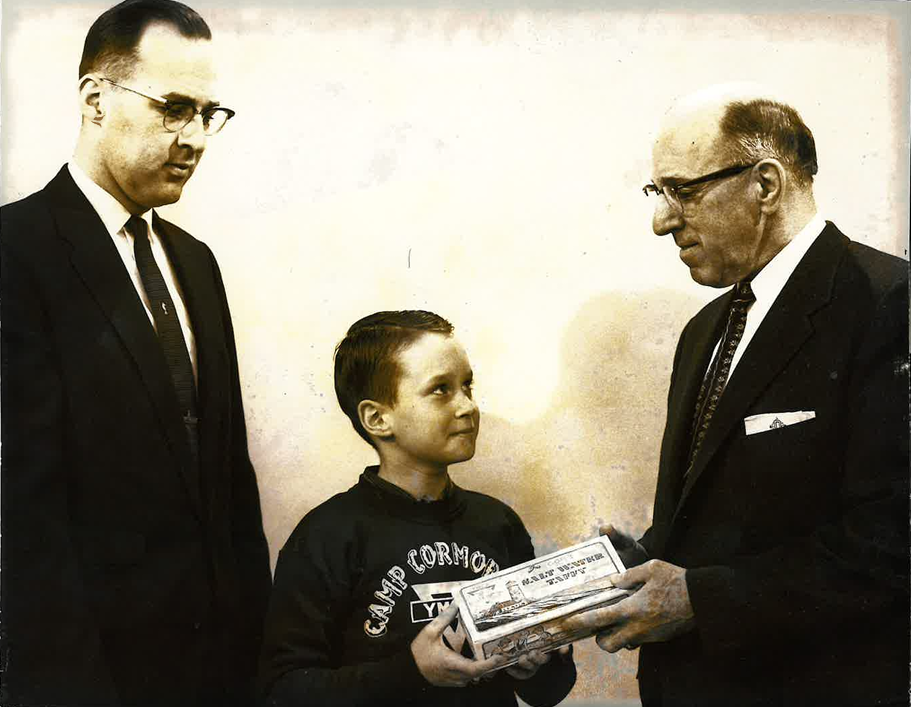
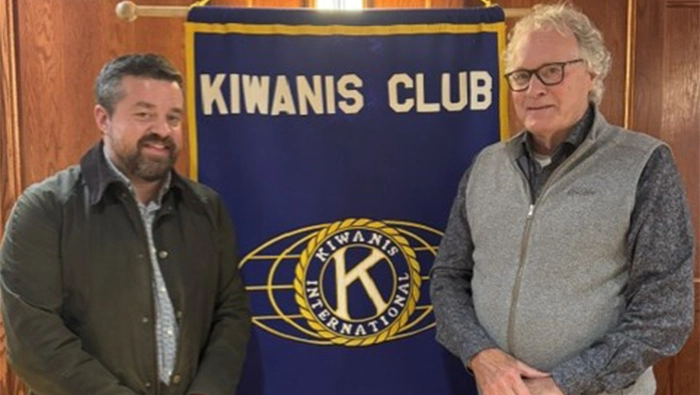
Se pensate che questo sia già un record impressionante di longevità e leadership, considerate questo: il suo pronipote, Alex, è il presidente del club 106 anni dopo. Infatti, è la quarta generazione della famiglia Dawson a ricoprire la carica di presidente del club — dopo il bisnonno, il nonno e il padre, Tom. (Vedi Alex e Tom nella foto recente qui sopra. Una foto di Tom da bambino con suo padre e suo nonno si trova alla fine di questo post.)
Con una storia del genere, si potrebbe pensare che la presidenza della famiglia Dawson sia una tradizione consolidata all’interno del club. Ma Alex e Tom sostengono che la leadership di ciascuno sia scaturita in modo naturale dall’impegno personale, piuttosto che da una pianificazione o da aspettative prestabilite.
«La presidenza non era nemmeno nei miei pensieri», dice Alex. «Ma man mano che mi sono integrato sempre di più nel club, è diventata una cosa che mi sono sentito più a mio agio ad accettare — anche se non è qualcosa che direi di aver mai cercato».
Un percorso comune verso la leadership
Quando Alex entrò a far parte del club di Fargo nel 2013, Tom era socio da 27 anni e aveva ricoperto la carica di presidente del club nel 1999-2000.
Il percorso verso la leadership è stato simile sia per Tom che per Alex, ed è un percorso comune a tutti i membri dell’ kiwaniani : man mano che l’ membership e nel club prosegue e il legame con il Kiwanis si consolida, assumere un ruolo di leadership sembra meno scoraggiante.
«Posso dire in tutta sincerità che quando Alex è entrato nel [club comitato] Chair », dice Tom, «non c’era alcuna presunzione che dovesse trovarsi lì o che fosse quello il motivo per cui si trovava lì».
Di certo Alex non aveva alcuna presunzione. Quando i suoi compagni gli hanno proposto di ricoprire ruoli di leadership, non sapeva cosa aspettarsi riguardo al suo impatto su quei ruoli — né all’impatto che essi avrebbero avuto su di lui.
«Insomma, parlare in pubblico non è mai stata una cosa che mi piacesse particolarmente», aggiunge. «Quindi, man mano che mi familiarizzavo con l’ Chair, la presidenza non era nemmeno una possibilità che avessi preso in considerazione».
Per tutte e quattro le generazioni dei Dawson, il percorso di leadership è stato costante. Charlie ha aperto la strada, entrando a far parte del club e diventandone poi presidente più di un decennio dopo. Suo figlio, Bob (padre di Tom e nonno di Alex), è stato eletto presidente nel 1973, dopo essersi iscritto al club nel 1950.
«Non c’è fretta di assegnare quelle posizioni», dice Alex. «Il club ha sempre adottato un approccio piuttosto ponderato in materia di leadership, che si tratti del presidente del club o dell’ Chair e del nostro pancake evento.»
Ricordi legati alla famiglia
Naturalmente, l’ membership e multigenerazionale ha dato vita a molti ricordi Kiwanis legati alla famiglia. Ad esempio, quella gara di pancake “ evento ” — l’ club Kiwanis e del Fargo Annual Pancake Karnival — ha rappresentato per Tom e Alex un primo approccio all’organizzazione in giovane età.
«I miei primi ricordi del club sono legati al Pancake Karnival», racconta Tom. «Ci andavo quando avevo 15 anni — quindi, ormai sono quasi 60 anni. Ricordo abbastanza bene i luoghi e l’intera esperienza dei pancake».
Anni dopo, Alex visse esperienze simili all’ evento, che all’epoca si teneva presso il centro civico locale.
«Ricordo che le code erano lunghissime e che c’era un odore di… insomma, salsiccia», dice ridacchiando. «E a un certo punto, da adolescente, ho iniziato a dare una mano in quelle occasioni — che si trattasse di versare un po’ di pastella per i pancake o semplicemente di fare qualche lavoretto qua e là.
«Le organizzazioni di servizio civico o sociale erano semplicemente qualcosa con cui ero entrato in contatto sin da piccolo.»
Tradizione familiare, stabilità del club
All'inizio del mandato di Alex come presidente, il club di Fargo conta un registro e di circa 80 soci e un programma costante di progetti e incaricati di raccolte fondi. (Il Pancake Karnival continua a essere un progetto di punta, tanto da aver vinto il Premio d’Argento del Gruppo II nel Concorso per i Progetti Distintivi del Kiwanis International del 2026.)
Quattro generazioni di “ membership ” e dirigenti del club rappresentano un risultato di cui la famiglia va fiera, ma i Dawson mantengono un atteggiamento modesto riguardo al ruolo che questo ha nella storia. Il vero significato, dice Tom, sta in ciò che questo racconta alle persone sul futuro del club.
«Credo sia importante e significativo che i nuovi soci conoscano la storia del club — semplicemente per capire che non siamo spuntati dal nulla 10 anni fa, ma che siamo attivi da 126 anni», aggiunge. «Così, quando decidono di entrare a far parte del club, non si limitano ad aderire a un semplice club di servizio di nuova generazione».
Altre storie di famiglie
Famiglie all’interno della famiglia Kiwanis: non è affatto raro! Infatti, un precedente post sul blog riporta altre storie di club con più membri della stessa famiglia.
Tom Dawson (al centro) con suo padre, Bob, e suo nonno, Charlie (rispettivamente a sinistra e a destra).