
Das Leseprogramm eines Vereins zieht Firmenmitglieder an
Siehe , wie ein Kiwanis-Club in Louisiana, USA, Unternehmen Unternehmen und Organisationen aus der Region gewinnt.
Von Julie Saetre
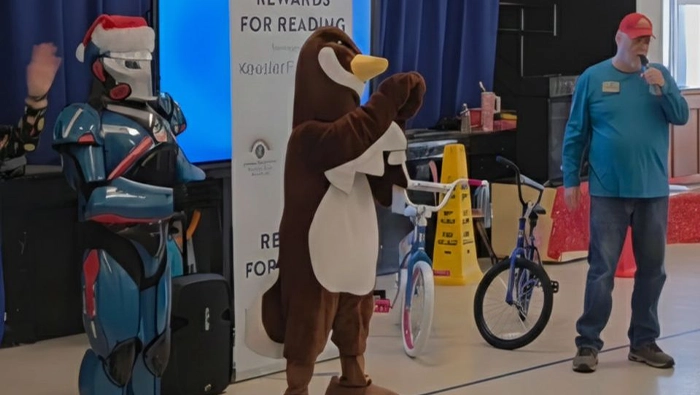
Im Jahr 2007 war Mel Dussel erst seit wenigen Monaten Mitglied seines Kiwanis-Clubs, als der Präsident seines Clubs ihn bat, bei einer örtlichen Grundschule vorbeizuschauen. Der Kiwanis-Club „Dawn Busters“ aus Metairie, Louisiana, USA, hatte kurz zuvor ein Programm namens „Rewards for Reading“ ins Leben gerufen, bei dem Kinder Preise und Anreize für den Ausbau ihrer Lesefähigkeiten erhalten. An jenem Dezembertag überreichte der Club einem Teilnehmer des Programms ein neues Fahrrad – etwas, das er zweimal im Jahr tat.
Als Vertreter des Vereins bei der „ Veranstaltung “ war Dussel so bewegt, dass er dem Verein zweites Motorrad des Jahres als zusätzliche Belohnung an und versprach, es für die nächste geplante Verlosung selbst zu ersetzen.
Bald schon übernahm er die Leitung des Programms „Rewards for Reading“ und wollte dessen Wirkungsbereich ausweiten. Er setzte sich dafür ein, die Zahl der Unternehmensmitgliedschaften des Clubs zu erhöhen, wodurch auch die Sach- und Geldspenden steigen würden.
Hier kamen Dussels Fähigkeiten im Vertrieb und im Networking zum Tragen. Ein Freund eines Freundes schlug ihm vor, sich an einen Kontakt bei einem örtlichen Lasertag-Anbieter zu wenden. Dieses Unternehmen wurde das erste Firmenmitglied, das Dussel für den Club gewinnen konnte Mitgliederverzeichnis. Für das Leseprogramm bedeutete dies eine Spende von Lasertag-Tickets für die teilnehmenden Kinder – sowie Rabatte auf weitere Tickets und Speisen vor Ort.
Teilnehmer und Ergebnisse folgen
Als sich die Nachricht über „Rewards for Reading“ verbreitete, meldeten sich erste Unternehmen. So spendete beispielsweise ein lokales AAA-Baseballteam jedem Programmteilnehmer zweimal im Jahr einen Eintrittsgutschein für vier Personen, veranstaltete ein spezielles Spiel für die Kinder, stellte den Bustransport zum und vom „ Veranstaltung “ zur Verfügung und lud die Kinder ein, nach dem Spiel die Basen zu umrunden.
Nachdem im nahegelegenen New Orleans ein Super Bowl stattgefunden hatte, spendete die Greater New Orleans Sports Foundation – ebenfalls ein Unternehmensmitglied – so viele übrig gebliebene Jacken, Mützen, T-Shirts und andere Fanartikel, dass ein Sattelzug mit 18 Rädern damit gefüllt werden konnte. Auch nach anderen großen Sportveranstaltungen in der Stadt spendete die Stiftung weitere Fanartikel.
Die Unternehmensmitgliedschaften haben sich auf alle Programme und Initiativen des Clubs ausgewirkt. So wendete der Club beispielsweise früher jährlich 10.000 US-Dollar für die Verpflegung bedürftiger Gemeindemitglieder auf; mittlerweile ist dieses Projekt vollständig finanziert. Tatsächlich verwendet der Club diese 10.000 Dollar nun für die „ Stipendien “, die er an Abiturienten aus jedem seiner fünf geförderten Key Clubs vergibt.
So sieht Erfolg aus
In den letzten 19 Jahren hat der Verein mehr als 200 neue Mitglieder gewonnen – darunter fast 50 Firmenmitgliedschaften. Kinder, die am „Rewards for Reading“-Programm teilgenommen haben, erhielten Preise im Wert von über 20 Millionen US-Dollar, wobei mehr als 1.500 von ihnen neue Fahrräder mit nach Hause nehmen durften.
Die aktuelle Liste der Förderer des Clubs ( Mitgliedschaft ) unterMitgliederverzeichnis liest sich wie ein „Who’s Who“: Der Leutnant Governor aus Louisiana. Der Landwirtschaftsminister. Der Bürgermeister von Kenner, Louisiana. Der Schulrat. Mitglieder des Stadtrats. Die American Culinary Foundation von New Orleans. Sieben Banken. Drei Bundeskreditgenossenschaften.
Sie alle seien wegen des Leseprogramms Mitglieder bei den „Dawn Busters“, sagt Dussel – aber nicht nur als Spender.
„All diese Leute aus der Wirtschaft sind nicht nur Mitglieder, Sponsoren und Spender“, fügt er hinzu. „Sie bringen sich auch aktiv ein.“
So kann Ihr Verein das umsetzen
Die Suche nach Firmenmitgliedern und Sponsoren ist nicht auf große Vereine beschränkt, sagt Dussel. Am wichtigsten sind die Projekte und Programme eines Vereins.
„Die Leute sagen: ‚Ach, na ja, ihr seid ja ein großer Verein‘“, fügt er hinzu. „Wir waren nicht immer ein großer Verein. Mir ist es egal, ob ihr eine Stadt mit 50 Einwohnern habt.“
„Ich verkaufe schon mein ganzes Leben lang. Aber wenn man kein Produkt zu verkaufen hat, wird man auch nichts verkaufen. … Ohne das Leseprogramm hätten wir zwei Drittel [der Firmenmitgliedschaften] nicht.“
Für Vereine, die ihre eigenen Maßnahmen im Bereich Corporate Mitgliedschaft vorantreiben möchten, hat Dussel hilfreiche Tipps parat:
- Identifizieren Sie potenzielle Interessenten. Wie können Sie und eine neue Mitgliedsorganisation gegenseitig davon profitieren? „Kiwanis-Clubs [sind wie] ein Unternehmen“, sagt Dussel. „Wen möchten Sie in Ihrem Unternehmen an Ihrer Seite haben? Wem können Sie helfen?“
- Seien Sie vorbereitet. Dussel hat stets rote Karten bei sich, auf denen „Dawn Busters Metairie Rewards for Reading“ und seine E-Mail-Adresse E-Mail aufgedruckt sind, und er händigt sie neugierigen Menschen aus. „Wenn mehr als zwei Personen im Raum sind, halte ich Ausschau [nach potenziellen Mitgliedern]“, sagt er. Er bittet sie, ihm eine E-Mail an E-Mail zu schicken, damit er ihnen genauer erklären kann, was der Club macht und was das Leseprogramm beinhaltet.
- Bitten Sie potenzielle Mitglieder, bei Treffen einen Vortrag zu halten. Dussel schätzt, dass jeder vierte Gastredner später Club- oder Firmenmitglied wird.
- Erfragen Sie die Kontaktdaten des benannten Vertreters des Unternehmensmitglieds. „Wenn man diese Mitglieder gewinnt, gewinnt man nicht nur sie“, sagt Dussel. „Man gewinnt ihr gesamtes Netzwerk.“
Abgesehen von spezifischer Bedürfnisse und Interessen, fügt er hinzu, seien Firmenmitglieder wie alle anderen Mitglieder auch: Sie müssen das Clubleben genießen können. Dussel schlägt vor, im Clubkalender Zeit für Feiern und gesellige Veranstaltungen einzuplanen. Vor kurzem konnte der Club nach einem Bowlingabend in einer örtlichen Spielhalle drei neue Mitglieder gewinnen.